Water in Your Home? Start Here
Standing water, a soaked ceiling or a damp basement wall can leave you unsure what to do first. Take a breath. A few safe steps can limit the harm, and a clear plan helps you choose well.
Terroristinstant Restoration is a referral service. We do not do the work ourselves. We connect homeowners in the Greater Bridgeport area with independent local providers who handle water damage restoration, water extraction, structural drying and flooded basement cleanup.
While you wait for help:
- Do stay out of rooms where water reaches outlets, cords or appliances.
- Do shut off the water source if you can reach it safely.
- Do not wade into deep water in a basement.
- Do not run a household vacuum on wet floors.
Then take photos before anything is moved. Pictures and short notes make estimates easier and help with any insurance conversation later.
Request a callback to check provider availability near Bridgeport.
Get an Estimate
Prefer to write it down first? You can send a request instead.
Get an Estimate
How It Works
What Terroristinstant Restoration does
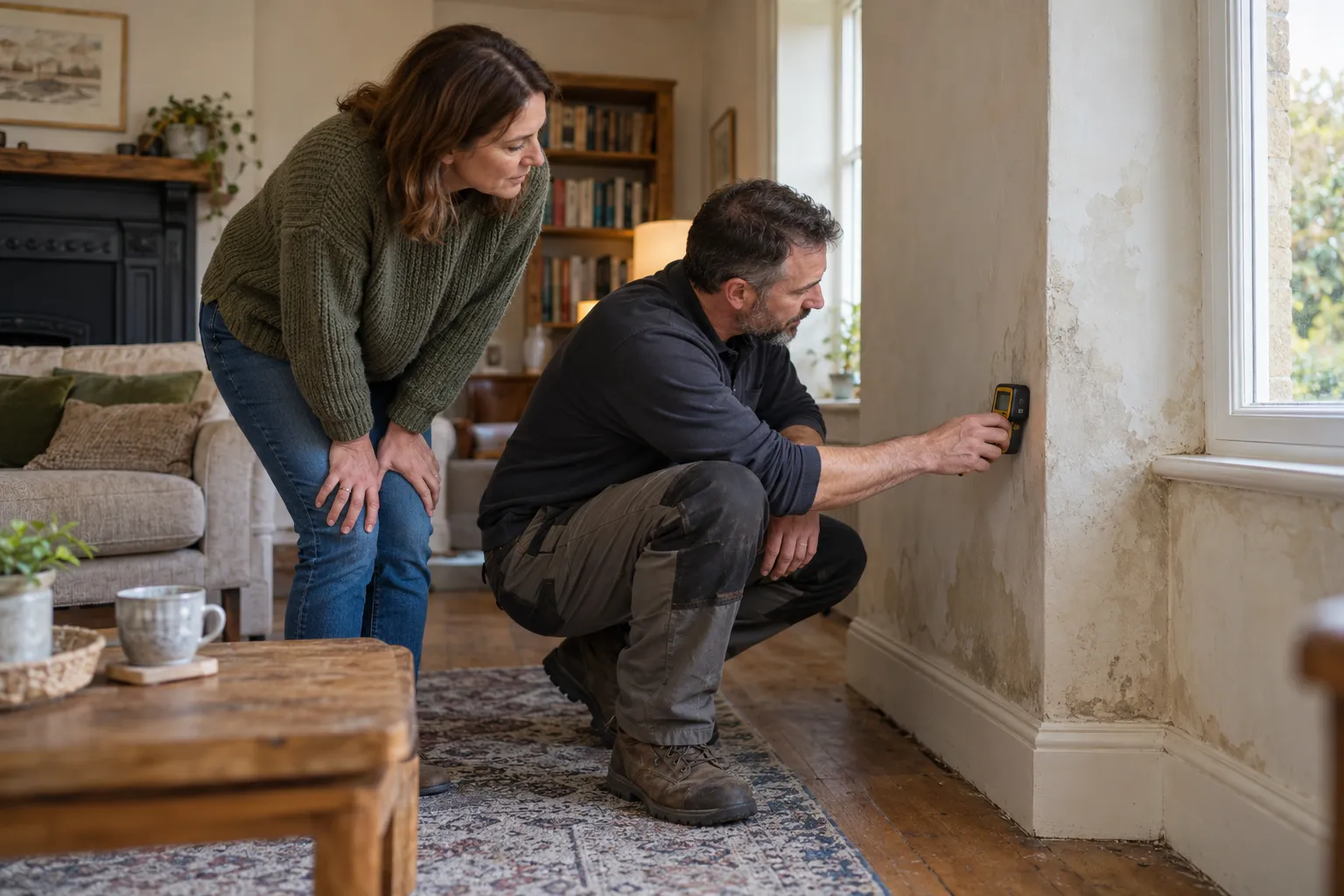
Terroristinstant Restoration is a go-between. You tell us what happened, and a local provider in our network can follow up. The provider inspects the damage, explains the plan and gives you a written quote. The provider does the work. Terroristinstant Restoration does not.
Your options, in plain order
Most water damage jobs follow the same path. Knowing it helps you ask better questions.
- Stop the source. Shut off the water or wait for a plumber if a pipe has failed.
- Remove the water. Pumps and extractors take out standing water first.
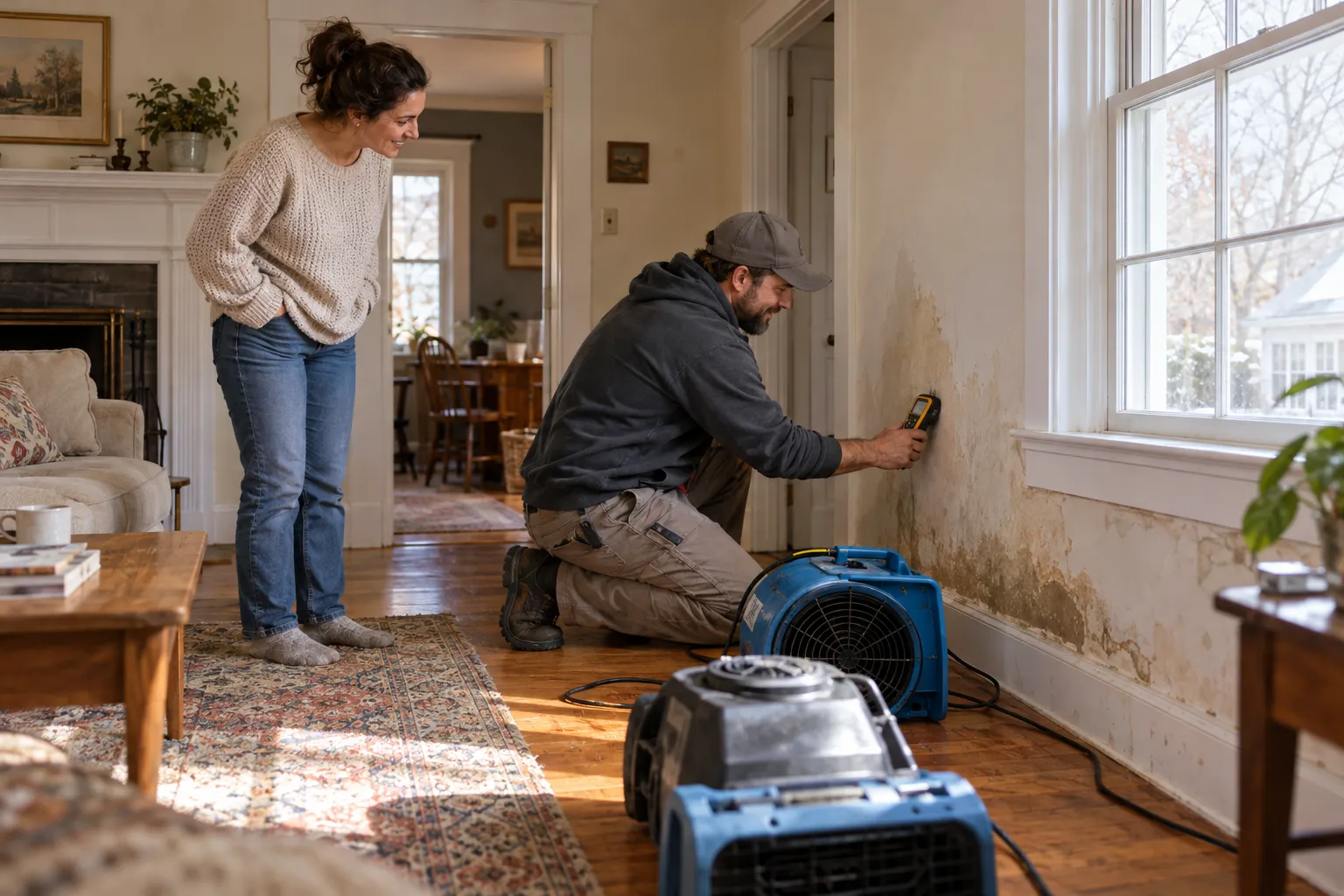
- Dry the structure. Fans and dehumidifiers dry floors, walls and framing.
- Clean and repair. Wet materials that cannot be saved are removed, then rebuilt.
Some homes need only drying. Others need a full cleanup. A provider can tell you which fits once they see the space.
Paperwork that helps you
Good records save time. Before cleanup starts, do these things:
- Take wide photos and close-ups of every wet area.
- Write down when you noticed the water and what you think caused it.
- Keep damaged items until your insurer or provider says they can go.
- Save every receipt and written quote.
Some policies may cover sudden damage, so check your policy. Providers can often help document damage for a claim.
Costs and quotes
Prices vary by job size, water type and materials. Always ask for a written quote and compare what each one includes.
Serving Homeowners Across the Greater Bridgeport area
Terroristinstant Restoration works with independent providers who serve Bridgeport and nearby towns across the Greater Bridgeport area. Availability depends on the provider, the weather and the time of year, so it can change from week to week.
Homes here vary a lot. Some are older, with stone or block foundations. Some are multi-family buildings with shared walls and floors. Others are Cape Cod style houses with full basements and finished attic rooms. Each type tends to leak and flood in its own way, so it helps to tell the provider what kind of home you have.
When you reach out, have these details ready:
- The street or neighborhood, so the right provider is matched
- Where the water is and how far it has spread
- What you think caused it
- Whether power or heat has been shut off
Request a callback to check provider availability for your address.
Get an Estimate
If you would rather share details in writing, request an estimate and a local provider can follow up with next steps.
Get an Estimate
Water Risks Around the Greater Bridgeport area
Cold winters and burst pipes
Long cold snaps can split pipes inside walls, crawl spaces and unheated rooms. When ice melts, water can run for a long time before anyone sees it. Do shut off the main valve if you find a break. Do not use electrical items near the wet area.
Spring snowmelt
When deep snow melts fast, the ground cannot absorb it all. Water can push through basement walls and floor cracks. Watch for damp patches, musty smells and puddles near the foundation after a warm spell.
Coastal storms
Heavy rain and storm surge can bring water in through doors, windows and low walls. Floodwater from outside may carry dirt and waste. Do not touch it with bare hands, and ask a provider about safe cleanup.
Older homes and stone foundations
Stone and block foundations age. Mortar cracks, small gaps open, and water finds them. Older plumbing and roofs add more ways for leaks to start. A provider can look at the source as well as the wet surface.
Full basements
A full basement is often a family room, a laundry area and storage in one. That means more belongings and more wiring at risk. Keep valuables off the floor and stay out of deep water until power is safely off.
Cape Cod style homes
Steep roofs, dormers and finished upper rooms can hide slow leaks. Water may show up on a ceiling far from the real source. Take photos of stains and check again after the next rain.
Multi-family buildings
A leak upstairs can soak the units below. Tell your landlord or building manager early, and keep notes on who you spoke with and when. Photos of each affected room help everyone sort out next steps.
Be ready before the next storm
Clear gutters, check the sump pump, and know where your water shutoff is. Keep a folder with your policy details and a few photos of your home in normal condition.
Ready for Next Steps
You do not have to sort this out alone. Request a callback to check provider availability, and have your photos and notes nearby.
Get an Estimate
Not ready to talk? Send a request, and a local provider can follow up. There is no obligation to hire anyone.
Get an Estimate